






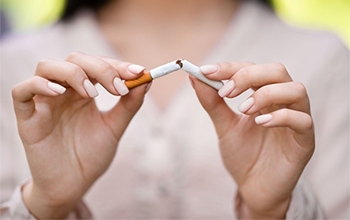
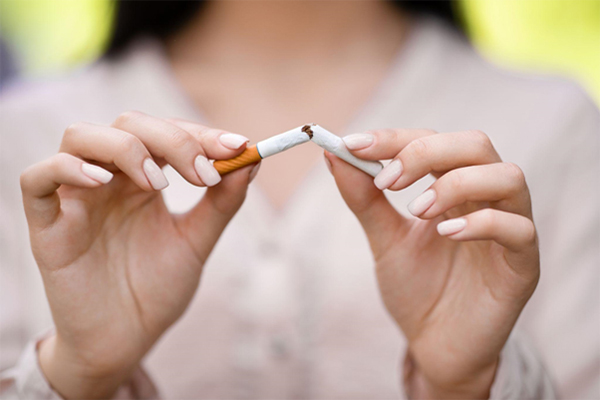
Most people know smoking is bad for the lungs. Fewer realize it can undermine a surgeon's best work on a knee, shoulder, or hand. Nicotine narrows blood vessels, starving healing tissue of the oxygen it needs. That can mean slower recovery, more complications, and sometimes a repair that fails. The good news is that quitting before surgery can change that picture. Here is why quitting matters and how to start.
How Smoking Interferes With Healing
Healing is a construction project, and blood is the delivery truck. Every cigarette sends nicotine through your system, which tightens small blood vessels and reduces the flow carrying oxygen and nutrients to surgical sites. Smoke also adds carbon monoxide to the blood, which crowds out oxygen further.
The effects go beyond circulation. Smoking can weaken the immune response and slow the production of collagen, the protein that rebuilds skin, tendon, and bone. For a surgeon, that means the same operation can heal differently in a smoker.
Smoking and Joint Replacement
Elective operations such as total hip replacement and total knee replacement give you time to prepare, and smoking is one of the most important things to address. Smokers face higher risks of wound problems and infection, and an infected joint can be a serious setback. Because of this, many orthopedic surgeons ask patients to stop smoking before scheduling an elective joint replacement.
Shoulder Repairs Depend on Tendon Healing
Rotator cuff repair requires a tendon to reattach and grow back into the bone, which is a slow process with a limited blood supply. Research on rotator cuff surgery has linked active smoking with lower odds of meaningful improvement afterward. If you are planning shoulder arthroscopy or another tendon surgery, quitting gives your repair the best chance to heal.
Hand, Wrist, and Foot Surgery: Small Vessels, Big Consequences
The fingers, wrist, and toes depend on very small blood vessels, which are exactly the vessels nicotine constricts. That matters for procedures such as carpal tunnel release, wrist arthroscopy, bunion surgery, and Achilles tendon repair. Skin closures and tendons in these areas can be slow to heal, and smoking can make delays and wound problems more likely.
Fractures and Bone Healing
Bone needs a rich blood supply to knit together. Smoking is associated with slower fracture healing and a higher chance that a bone does not heal properly, which may require another procedure. If you have had a fracture or trauma and surgery cannot wait, quitting right away is still worthwhile because healing continues for weeks and months afterward.
How Long Before Surgery Should You Quit?
Many surgeons recommend stopping at least four weeks before surgery, and sooner is better. The benefits start quickly. Within a day or two, carbon monoxide levels begin to fall and oxygen delivery improves. Staying smoke-free after surgery matters just as much, since the healing window lasts for weeks.
If your surgery is close, do not assume it is too late. A shorter smoke-free period still helps, and your surgical team can advise you on timing for your procedure.
What About Vaping and Nicotine Replacement?
Vaping is not a loophole. E-cigarettes still deliver nicotine, which affects blood vessels. Nicotine patches and gum avoid the toxins in smoke, but they still contain nicotine, and surgeons differ in how they handle them. Some accept replacement therapy as a step toward quitting, while others prefer patients to be nicotine-free. Some practices also use a simple urine or blood test to check for nicotine before elective surgery. Ask your surgeon what they require before you start.
Practical Ways to Quit
Quitting is hard, and support improves your chances. Talk to your primary care provider about counseling and prescription options. Choose a quit date well ahead of surgery, remove cigarettes from your home and car, and tell friends and family so they can help.
Be honest with your surgical team as well. They are there to help, not to judge. Our office offers guidance on preparing for surgery, postoperative care, and the rehabilitation program that follows.
Frequently Asked Questions About Smoking and Surgery
Why do surgeons ask patients to quit smoking before surgery?
Smoking reduces blood flow and oxygen to healing tissue, which raises the risk of infection, wound problems, and delayed or failed healing. Quitting lowers these risks and gives surgery the best chance of success.
How long before surgery should I stop smoking?
Many surgeons recommend stopping at least four weeks before surgery, and longer is better. Benefits begin within days, so quitting even closer to your date still helps.
Can I smoke after surgery?
Smoking after surgery can slow healing and increase complications, so most surgeons advise staying smoke-free throughout recovery. Ask your surgeon how long to avoid nicotine for your specific procedure.
Does vaping affect surgery recovery?
Yes. Vaping delivers nicotine, which narrows blood vessels and may slow healing. Many surgeons ask patients to avoid vaping before and after surgery.
Will my surgeon test me for nicotine?
Some surgeons test before elective procedures such as joint replacement to confirm a patient has quit. Ask your surgeon's office about their policy when you schedule your surgery.
Take the First Step Toward a Smoother Recovery
Quitting is one of the most powerful things you can do to protect your results. If you are considering orthopedic surgery, Dr. DiPaolo and her team in Grenada can talk through your plan and how to prepare. You can request an appointment to get started.
Reference Links:
- 3 Reasons Why Smoking Before Surgery Isn’t An Option - Cleveland Clinic
- Smoking - American Society of Anesthesiologists
AUTHOR: Daneca DiPaolo, MD, FAAOS, FACS - Orthopedic Surgeon
Daneca DiPaolo, MD, FAAOS, FACS, is a highly skilled, board-certified orthopedic surgeon located in Grenada, Mississippi. She offers the latest orthopedic techniques and provides quality, compassionate, state-of-the-art orthopedic care.
Credentials & Recognition
Dr. DiPaolo earned her Doctor of Medicine and completed rigorous orthopedic surgery residency training. She is board certified in orthopedic surgery and a Fellow of the American College of Surgeons (FACS), a distinction recognizing professional excellence, surgical competence, and commitment to high standards of patient care. Dr. DiPaolo earned her undergraduate degree in biochemistry from Rutgers College in New Jersey before completing her medical degree at the University of Medicine and Dentistry of New Jersey. She remained there to complete her internship in general surgery and orthopedic surgery residency, followed by advanced fellowship training in hand and upper extremity surgery at the Hospital for Special Surgery, Cornell Medical College, consistently ranked the nation’s leading hospital for orthopedics.
Clinical Expertise
Dr. DiPaolo specializes in disorders of the hand and upper extremity, including fracture care, nerve compression syndromes, tendon and ligament injuries, and complex traumatic conditions. Fellowship-trained at the Hospital for Special Surgery, she brings advanced surgical precision and evidence-based techniques to both acute injuries and chronic degenerative conditions affecting the wrist, elbow, and hand. In addition to her operative expertise, Dr. DiPaolo plays an active role in orthopedic trauma coverage and post-operative rehabilitation coordination, supporting comprehensive recovery from injury through functional restoration. Her patient-centered approach emphasizes thoughtful surgical decision-making, effective pain control, and individualized rehabilitation strategies designed to restore mobility, strength, and long-term quality of life.
Medical Disclaimer: This information is for educational purposes only and does not constitute medical advice. For diagnosis and treatment recommendations, please consult with Dr. DiPaolo or another qualified orthopedic specialist at UMMC Grenada Pediatric Clinic.
Content authored by Dr. Daneca DiPaolo and verified against official sources.